Identify the Stimulus for the Release of Insulin
Insulin binds to receptors on target cells a cascade of phosphorylation leads to premade glucose channels being inserted into the membrane. The insulin response to oral glucose is much greater than the response to intravenous glucose because an intestinal factor or factors has a powerful stimulant effect on insulin secretion.

A Multi Level Model Analysis Of Lipolysis And Fatty Acid Release From Adipocytes In Vitro And From Adipose Tissue In Vivo Biorxiv
High blood glucose causes the release of insulin from the β cells of the pancreatic islets.
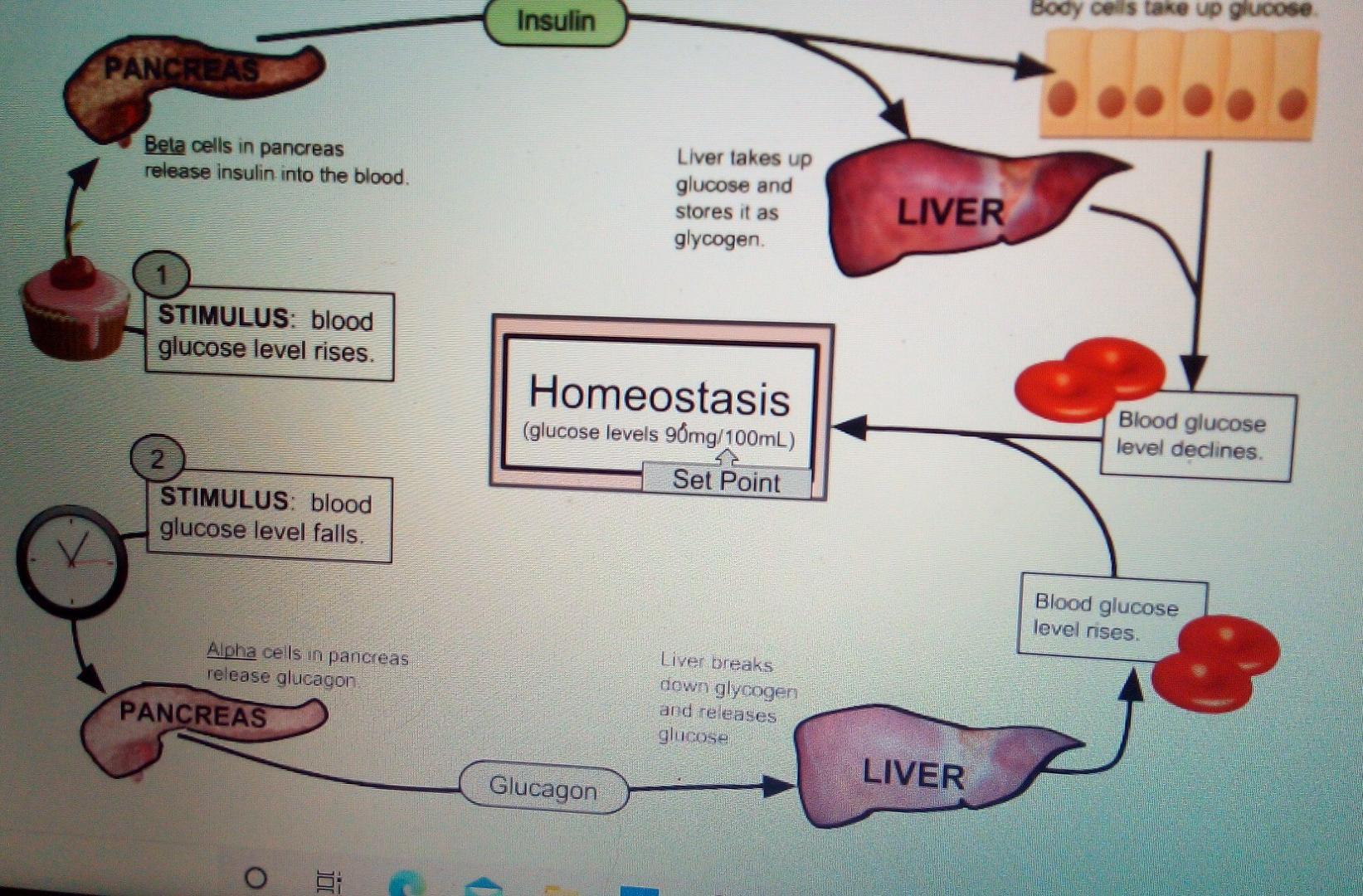
. 9 In response to a stimulus such as glucose insulin secretion is characteristically biphasic with an initial rapid phase of insulin secretion followed by a less intense but more sustained release of the hormone. Stimulated by the release of acetylcholine by parasympathetic nerve fibers. Match the hormones below with the correct stimulus that DIRECTLY induces their release.
For each one identify the stimulus and the response and state whether the process is positive or negative feedback. They release more chemical signals to attract more platelets and. Insulin triggers the uptake of glucose fatty acids and amino acids into liver adipose tissue and muscle and promotes the storage of these nutrients in the form of glycogen lipids and protein respectively.
Indirectly stimulates live and skeletal muscles to store sugar. Predict the levels of glucose glucagon and insulin in a person who has. Insulin is stimulated by the elevation of blood glucose levels but it is also stimulated by rising blood levels of another substance in the blood what are the substances.
Can OR cannot 5. The blood be used by the cells. Although there is always a low level of insulin secreted by the pancreas the amount secreted into the blood increases as the blood glucose rises.
Glucose is an effective stimulus for the release of insulin from pancreatic beta-cells but its pre-eminence for the physiological control of insulin secretion is now challenged. The main physiologic or pathophysiologic stimulators of glucagon release are hypoglycemia insulin-induced associated with starvation or intense muscular exercise hyperaminoacidemia the rise in plasma glucagon levels after a balanced meal is probably due mainly to amino acidinduced glucagon release stimulation of the adrenergic system stress exercise and. QUESTION 3 Identify the stimulus for the release of insulin.
The hormones listed below have been. Humoral stimulus cortisol 2. Insulin is a hormone released by pancreatic beta cells in response to elevated levels of nutrients in the blood.
It has been known for nearly 40 years that insulin secretion is biphasic 1 ie in response to a square-wave hyperglycemic stimulus to either the in vitro perfused rat pancreas or the in vivo human pancreas and that insulin concentrations in perfusate and plasma increase rapidly to a peak at 24 min decrease to a nadir at 1015 min and then gradually increase. Stimulation of glycogenesis B. It is considered to be the main anabolic hormone of the body.
Epinephrine inhibits insulin release. B Identify the gland or endocrine tissueorgan and the cells within that glandtissueorgan that produce the hormone. View the full answer.
In these tissues the absorbed glucose. Glucose enters through the channels. It is decreased by PTH.
Contrary to what many believe carbohydrates -- that is sugar and starch -- are not the only macronutrient that stimulates the release of insulin the hormone responsible for clearing excess glucose from the bloodstream and packing it in the form of fatty triglycerides into fat cells. Glucagon increases and somatostatin decreases insulin release via paracrine actions. Neural stimulus glucagon 3.
L ɪ n from Latin insula island is a peptide hormone produced by beta cells of the pancreatic islets. Target cells include adipose tissue skeletal muscle and the liver. Inhibition of lipogenesis O inhibition of.
Effectors- liver cells and the body cells response- decrease in blood glucose by uptake by liver cells and conversion to glycogen and uptake by body cells. It is a protein responsible for regulating blood glucose levels as part of metabolism1 The body manufactures insulin in the pancreas and the hormone is secreted by its beta cells primarily in response to glucose1 The beta cells of the pancreas are perfectly designed fuel sensors stimulated by glucose2 As glucose levels rise in the plasma of the blood uptake. Insulin ˈ ɪ n.
Insulin is synthesized as preproinsulin and processed to proinsulin. The stimulus for insulin secretion is a HIGH blood glucoseits as simple as that. The insulin response to oral glucose is much greater than the response to intravenous glucose because an intestinal factor or factors has a powerful stimulant effect on insulin secretion.
Stimulus- increase in glucose receptor- beta cells control centre- insulin sensitive cells of the hypothalamus beta cells secrete the hormone insulin. Neither A nor Bare correct QUESTION 4 All of the following are actions of insulin EXCEPT. An ultradian oscillatory pattern of insulin release in addition to post meal variation has been reported.
Stimulates adipose tissue to store fat. Where must the blood go before it can be sent to the entire body. Both A and B are correct OD.
O A hypoglycemia B. C Name the target tissue or cells for the hormone and describe the effect s of the hormone on the target tissue or cells. Anatomy and Physiology questions and answers.
Researchers studying the cellular and molecular mechanisms of insulin release are urged to take into consideration these complex and opposing factors which regulate insulin secretion. It regulates the metabolism of carbohydrates fats and protein by promoting the absorption of glucose from the blood into liver fat and skeletal muscle cells. Just run 5 miles.
A model is proposed whereby the magnitude and kinetics of the insulin response to a given stimulus reflect the balance between TDP and TDI. Insulin which is produced in β-cells is a critical regulator of metabolism. The insulin levels will remain at their constant baseline level.
Sympathetic nerve stimulation inhibits insulin release. In the lungs the blood gives up its oxygen OR carbon dioxide and picks up oxygen OR carbon dioxide 4. The effects of thyroid hormones are more variable.
Protein also stimulates insulin release. Tri-iodothyronine testosterone growth hormone insulin 1. Proinsulin is then converted to insulin and C-peptide and stored in secretary granules awaiting release on demand.
Blood pumped out of the right ventricle goes to the body OR to the lungs 3. Growth hormone-releasing hormone GHRH produced by the hypothalamus causes the anterior pituitary gland to release more GH. Insulin is normally secreted by the beta cells a type of islet cell of the pancreas.
A Describe the stimulus for release of the hormone. Glucose is an effective stimulus for the release of insulin from pancreatic beta-cells but its pre-eminence for the physiological control of insulin secretion is now challenged. Insulin synthesis is regulated at both the transcriptional and translational level.
Growth hormone GH or hGH - stimulusi for release. Insulin release is stimulated by GH cortisol PRL and the gonadal steroids.

Simplified Scheme Of Stimulus Secretion Coupling Pathways In The Download Scientific Diagram

A Stimulus Secretion Coupling In Pancreatic Beta Cell Abbreviations Download Scientific Diagram

Stimulus Coupling Mechanisms For Glucose Induced Insulin Secretion In Download Scientific Diagram

Handbook Of Diabetes 4th Edition Excerpt 4 Normal Physiology Of Insulin Secretion And Action
Solved Insulin Body Cells Take Up Glucose Pancreas Beta Chegg Com

Integrating Adipocyte Insulin Signaling And Metabolism In The Multi Omics Era Trends In Biochemical Sciences
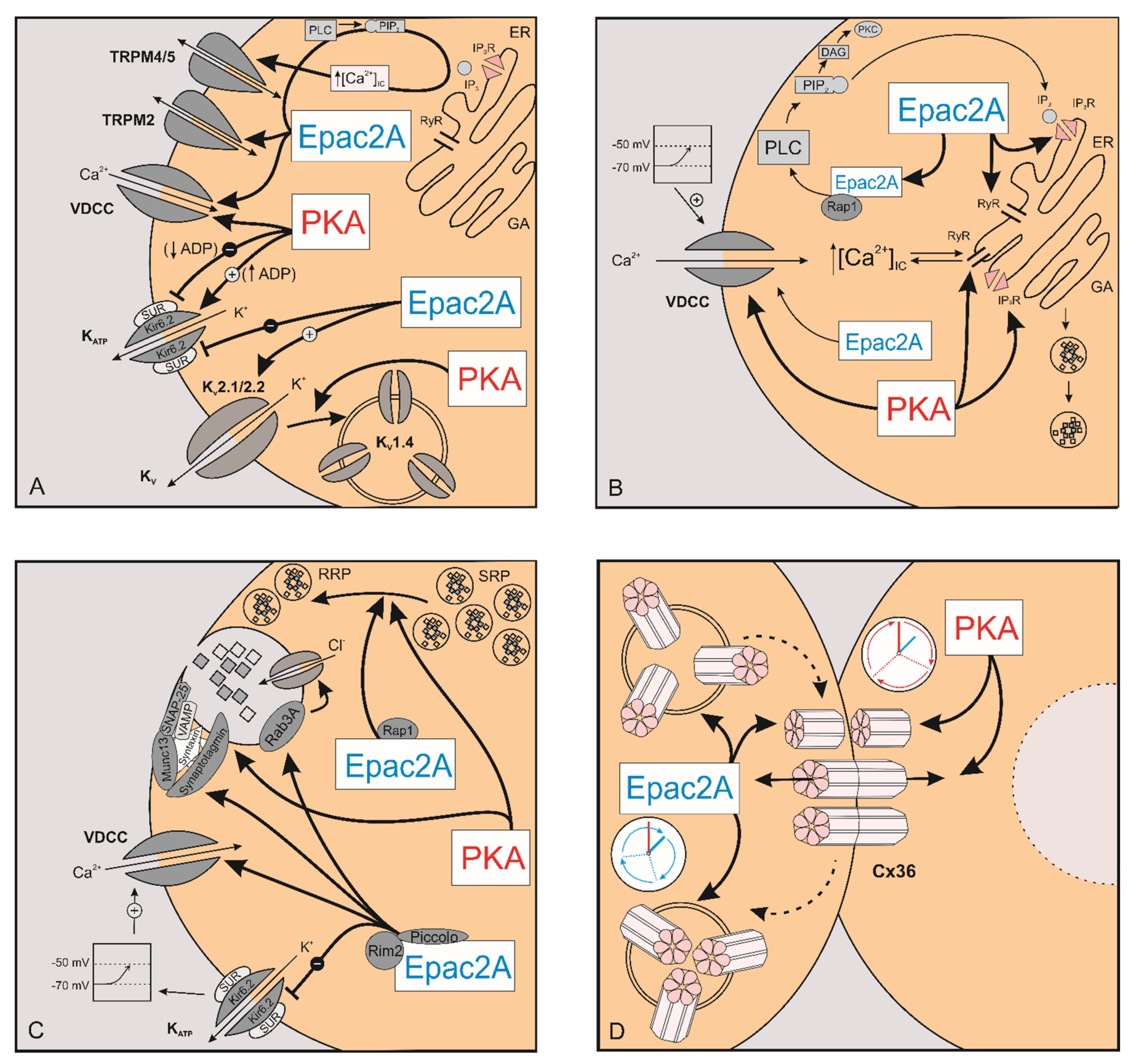
Cells Free Full Text The Role Of Camp In Beta Cell Stimulus Secretion And Intercellular Coupling Html

Diabetes Type 1 And Type 2 Anatomy And Physiology I
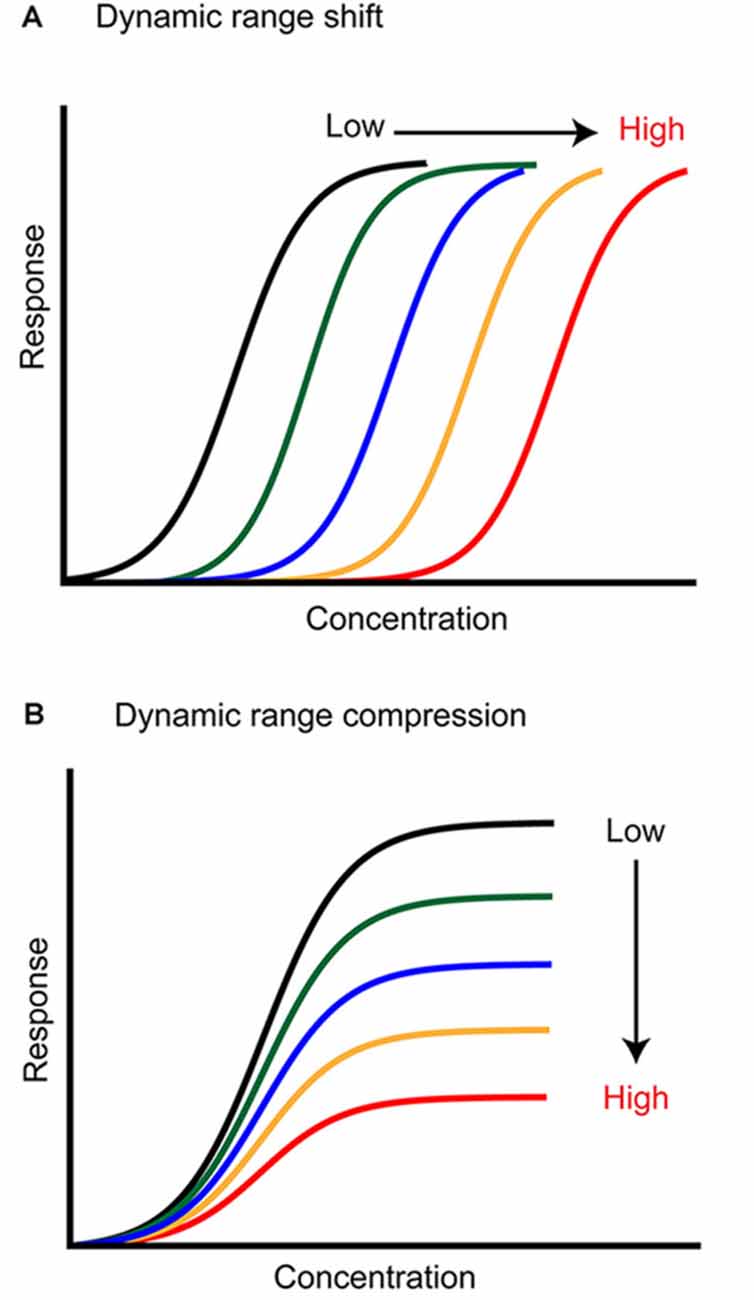
Frontiers Stimulus Driven Functional Transformations In The Early Olfactory System Cellular Neuroscience

Glucagon Like Peptide 1 And Glucose Dependent Insulinotropic Polypeptide Stimulate Release Of Substance P From Trpv1 And Trpa1 Expressing Sensory Nerves American Journal Of Physiology Gastrointestinal And Liver Physiology

Stimulus Secretion Coupling An Overview Sciencedirect Topics

Stimulus Secretion Coupling In The Pancreatic Cell Glut 2 Is A Download Scientific Diagram

The Science Of Emotions How It Works Psychologicalfactsschools Emotions Physics And Mathematics Anatomy
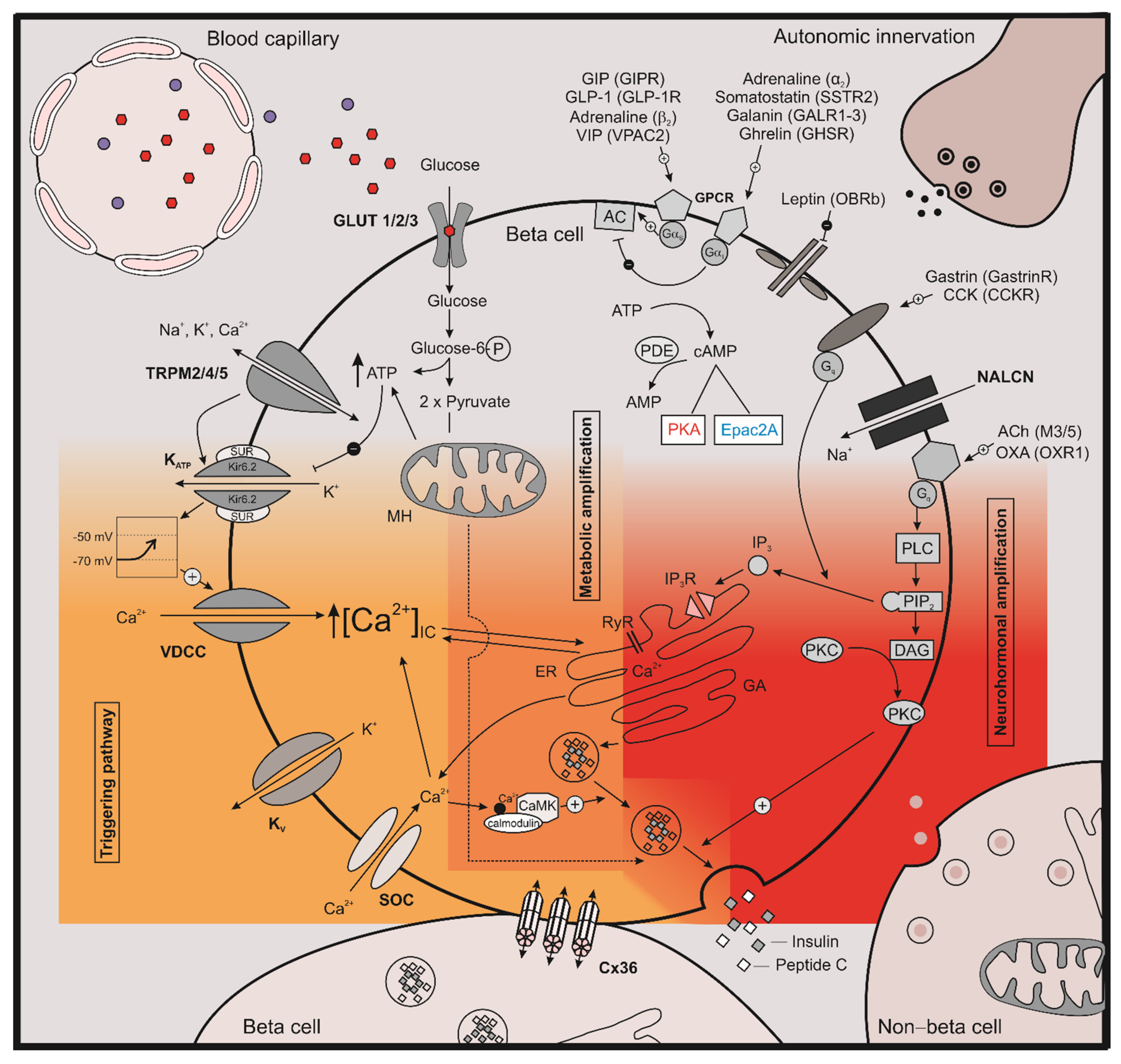
Cells Free Full Text The Role Of Camp In Beta Cell Stimulus Secretion And Intercellular Coupling Html
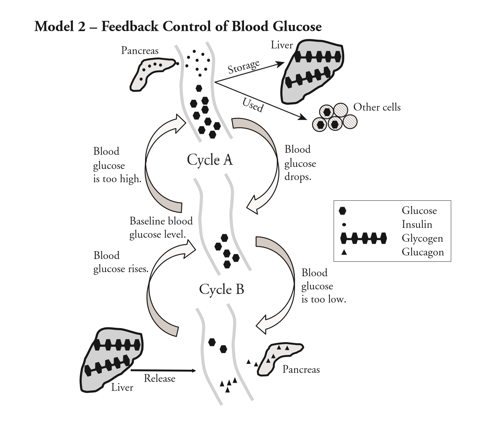
For Each Of The Letters In Model 2 Identify The Chegg Com
Stimulus Secretion Coupling In The A Cell Low Glucose Concentration Download Scientific Diagram

Handbook Of Diabetes 4th Edition Excerpt 4 Normal Physiology Of Insulin Secretion And Action

Pin On Corps Humain

Identification Of The Signals For Glucose Induced Insulin Secretion In Ins1 832 13 B Cells Using Metformin Induced Metabolic Deceleration As A Model Journal Of Biological Chemistry


Comments
Post a Comment